Due to the efforts of the ATT, and specifically those of Mrs. Chani Friedman in representing the Chicago Orthodox Community’s Day Schools, ATT is happy to announce that students who live in the Peterson Park area are now eligible to receive Title I services in their school!
What does this mean? Students who live in Peterson Park (Solomon School District) now generate Title I funds and are eligible to receive resource help across our schools.
Increase in Title I Funding — CPS (Chicago Public Schools) designates federal funds for use by private schools within public school districts. There are different types of federal funds, each with specific rules regarding the generation of funding for a private school. That means every student can potentially generate money for his/her school to use in arranging support services for students. Title I funding is specifically designated for students who need academic help in school. Previously, students in Peterson Park were not counted as students who generate Title I funds. Now, however, due to ATT’s persistent efforts and advocacy, over 500 additional elementary school students in our Jewish day schools are now eligible to be counted towards receiving these CPS funds. That means potentially hundreds of thousands of additional dollars becoming available to use by our schools!
Increased Eligibility — ATT has advocated on behalf of our students that everyone, regardless of where they live, should be eligible to receive resource help if they need it. Today, we are one step closer. Due to this breakthrough, hundreds of students who may have been struggling in school and yet were not able to receive services due to the fact they live in Peterson Park have now become eligible for services such as one-on-one Instruction, academic coaching, school counseling and more.
How did this happen? — Mrs. Chani Friedman, ATT’s Government Funding Liaison, is an expert on CPS rules and federal regulations. Mrs. Friedman realized that although non-attending private school students living in Peterson Park (Solomon School District) do not affect the overall poverty level which decides a public school district’s eligibility to receive Title 1 funding, these students can still tip the scales due to details in the mathematical poverty index formula. While others may have admitted defeat years ago, Mrs. Friedman continued to diligently provide Peterson Park student data to CPS in hopes of one day tipping the scale. That day finally happened last week as the numbers finally added up! This was a breakthrough for our students and schools and showed the power of unified advocacy on behalf of the community. Through Mrs. Friedman’s efforts in pooling the data of students across the Chicago Orthodox Jewish Day School system, ATT was finally able to tip the scale and achieve eligibility for students living in Peterson Park. The other Chicago school districts where ATT students live already have been recognized as Title I attendance areas due to ATT advocacy many years ago. This now completes the picture and will allow for added services for more students.
ATT has always been focused on maximizing the funds and services available for all of our schools and students! We thank Mrs. Friedman for her steadfast efforts for our day school community.
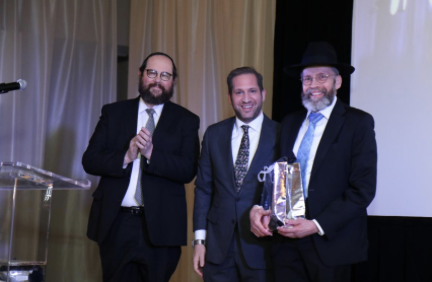
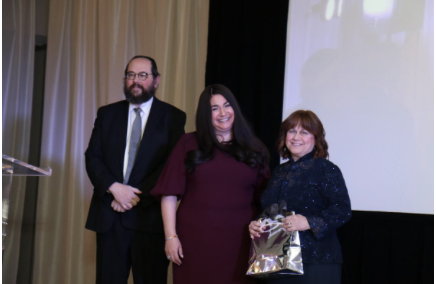
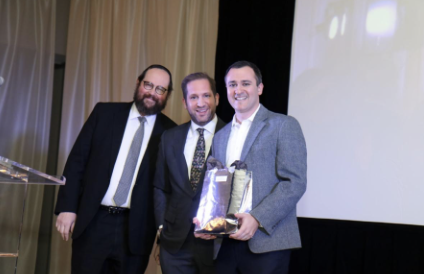
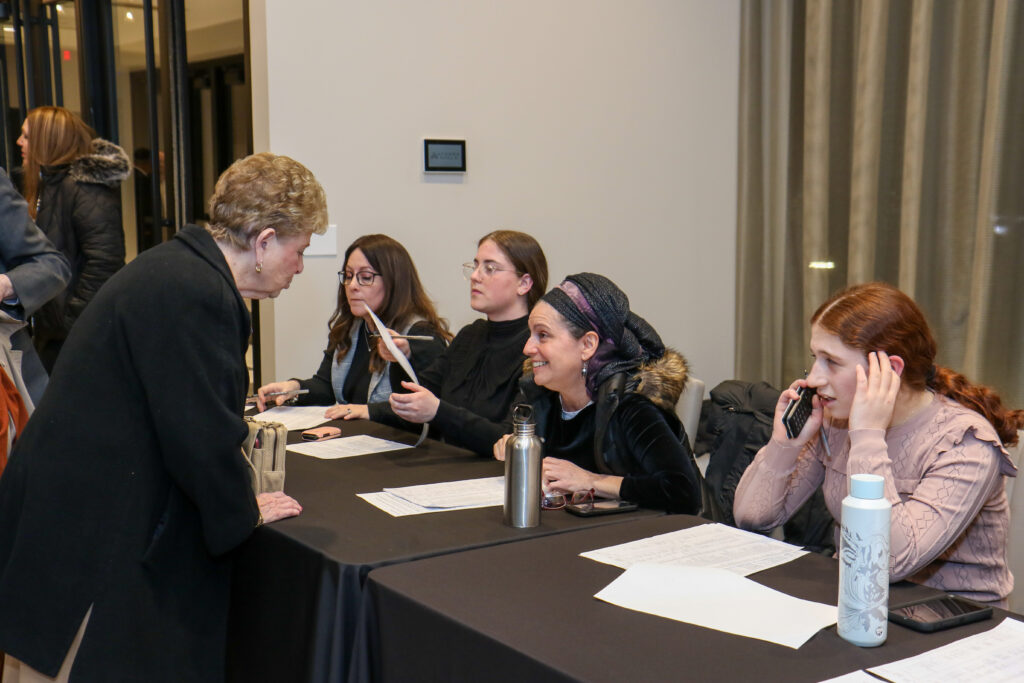
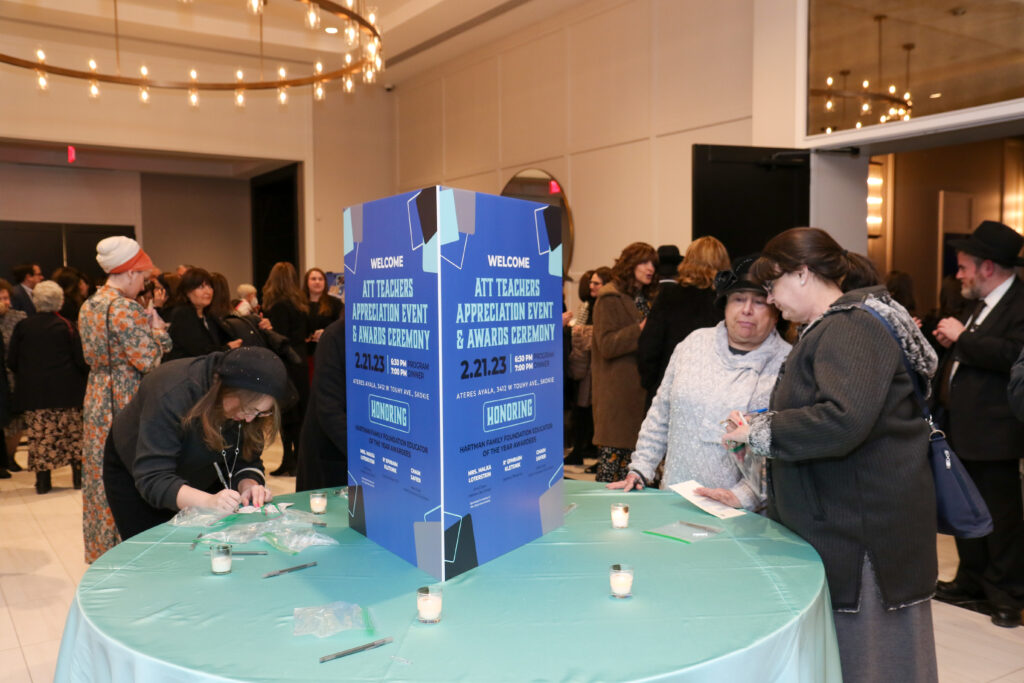
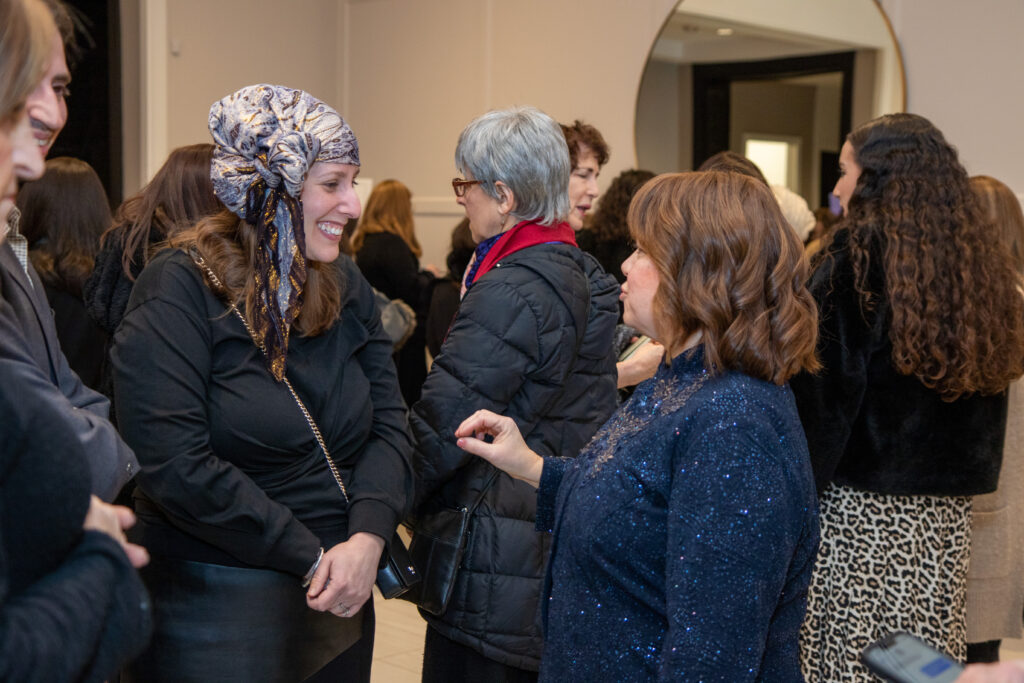
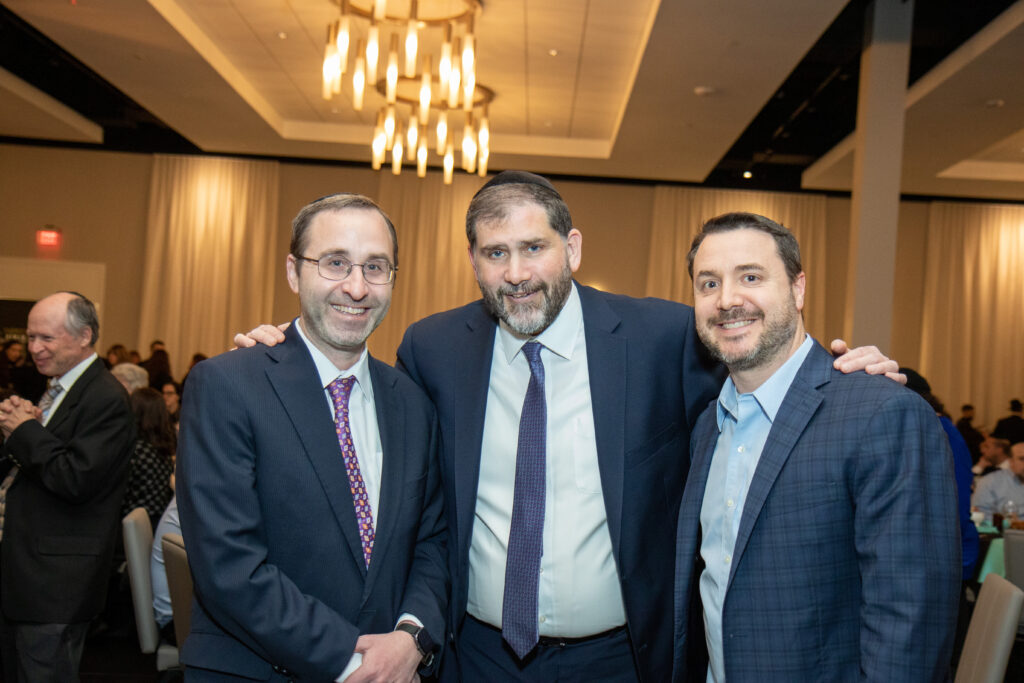
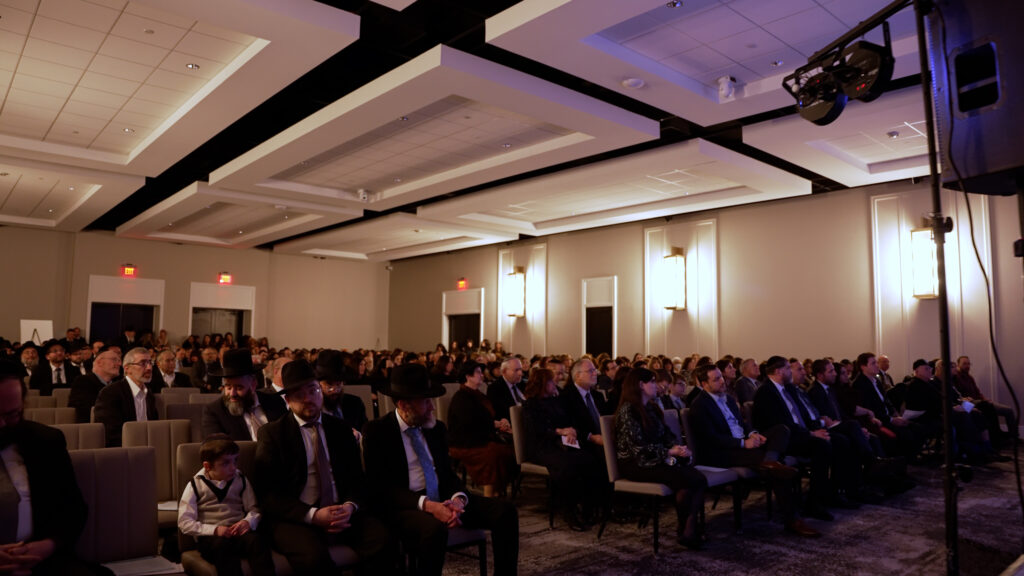
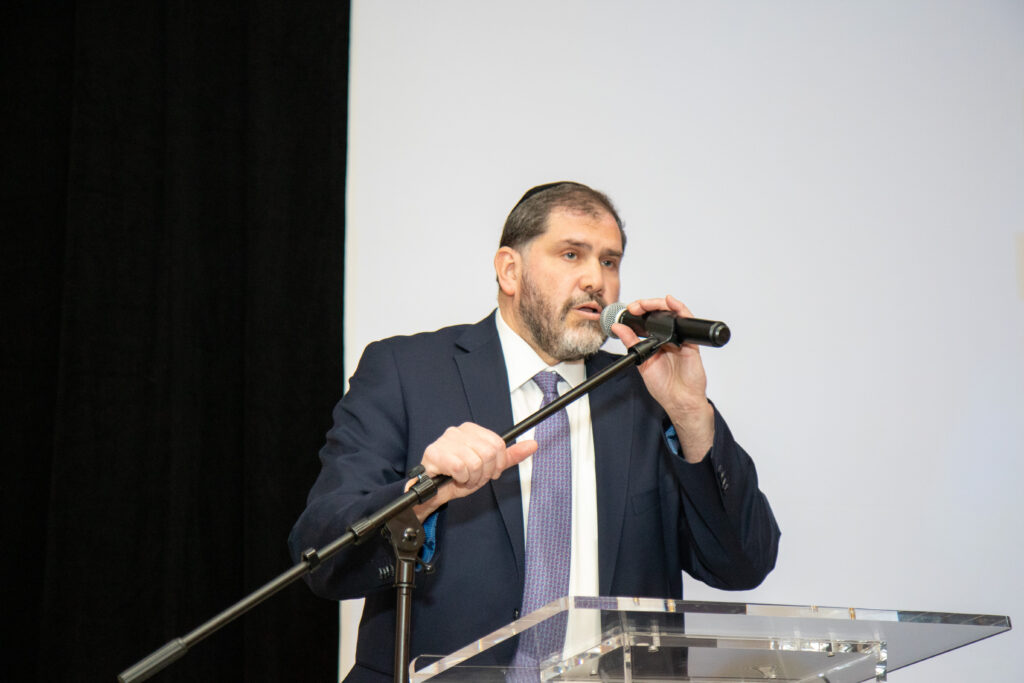
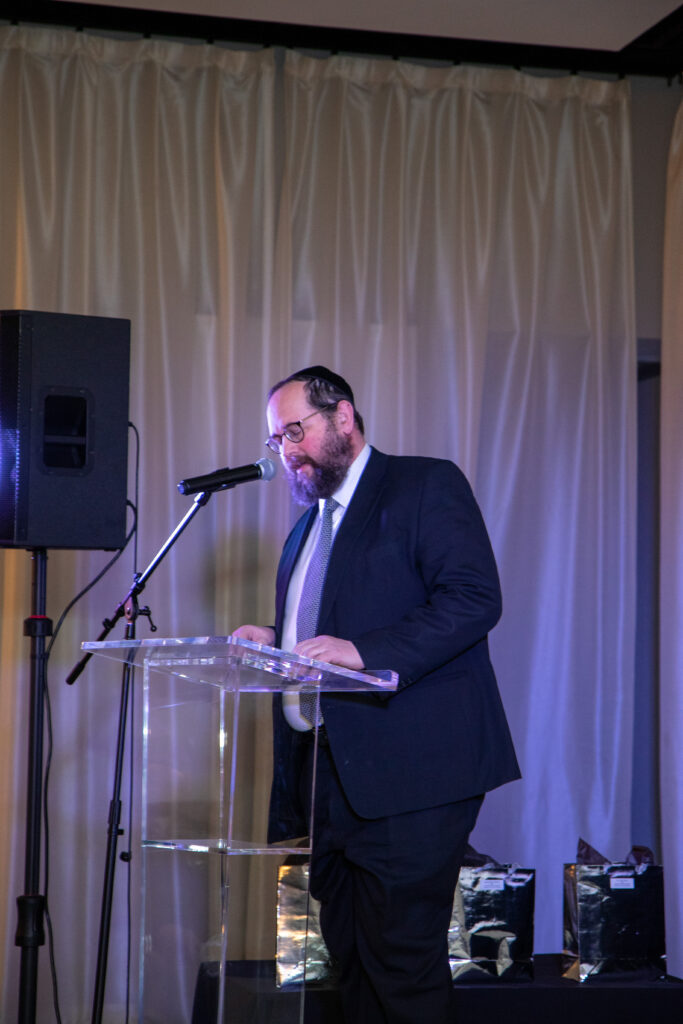
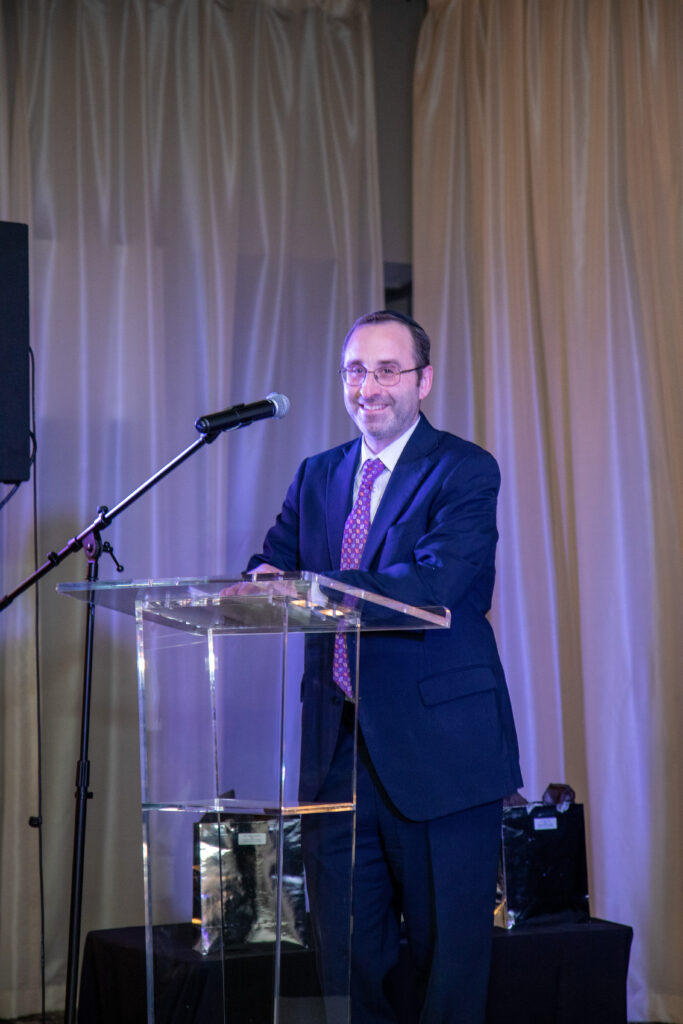
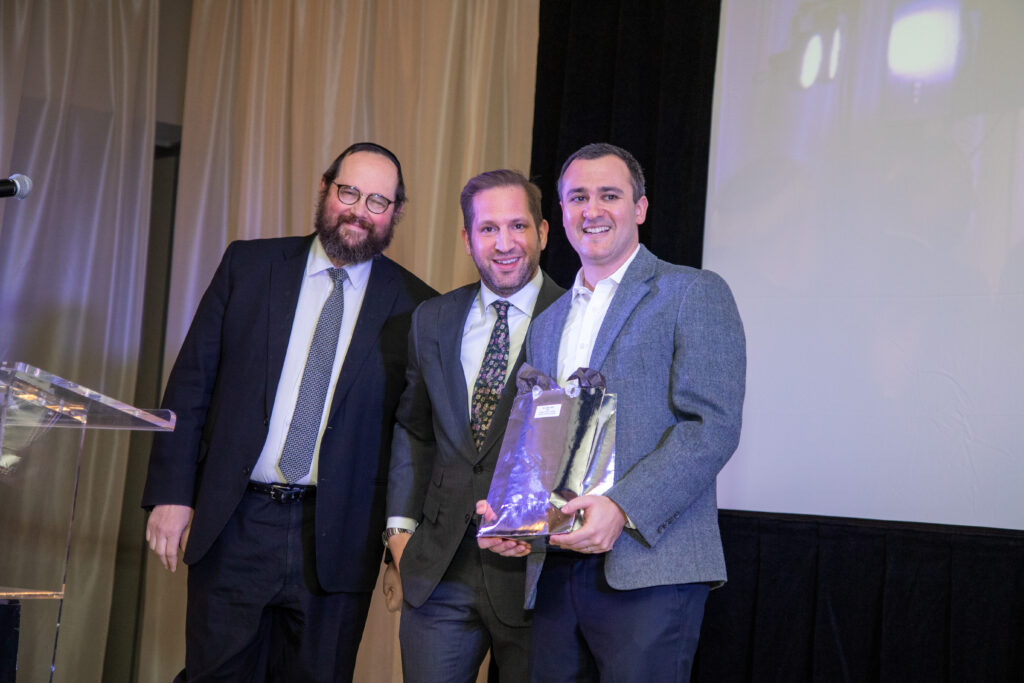
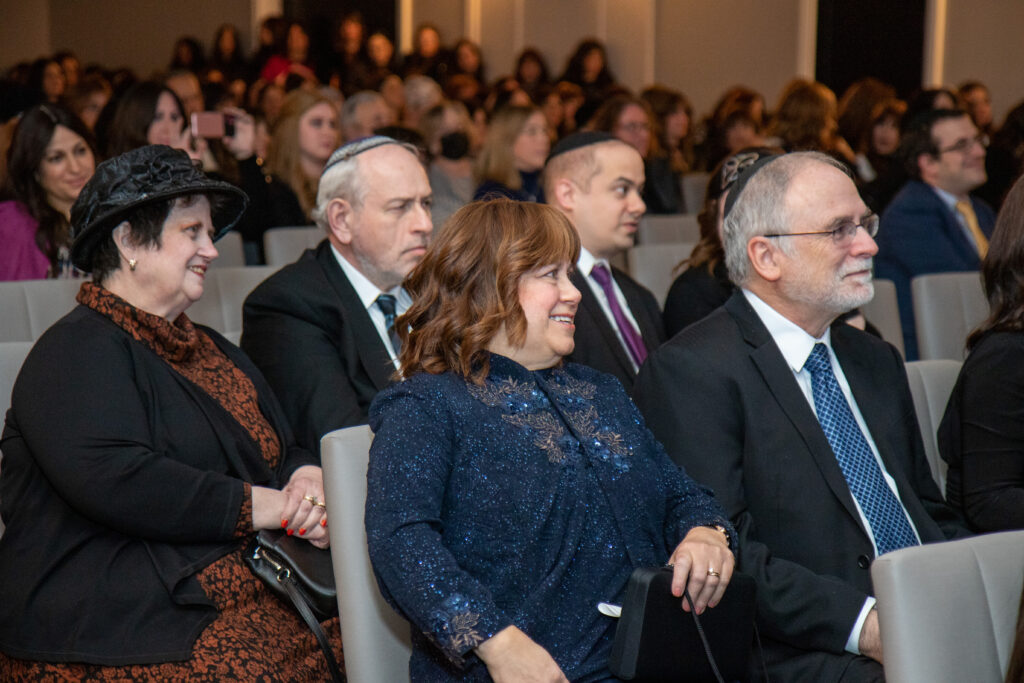
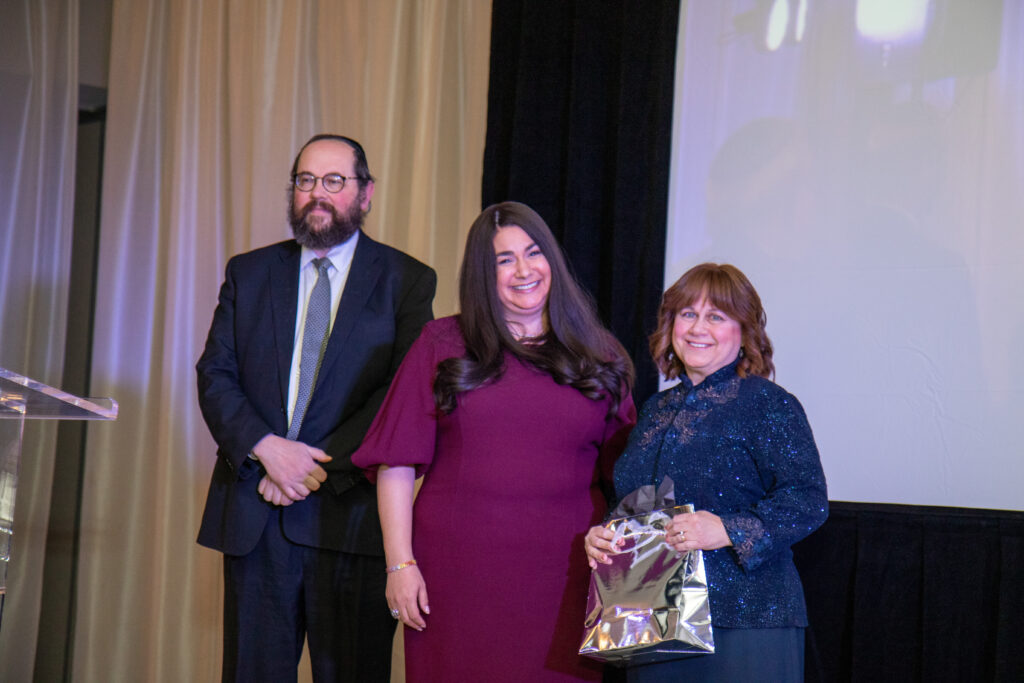
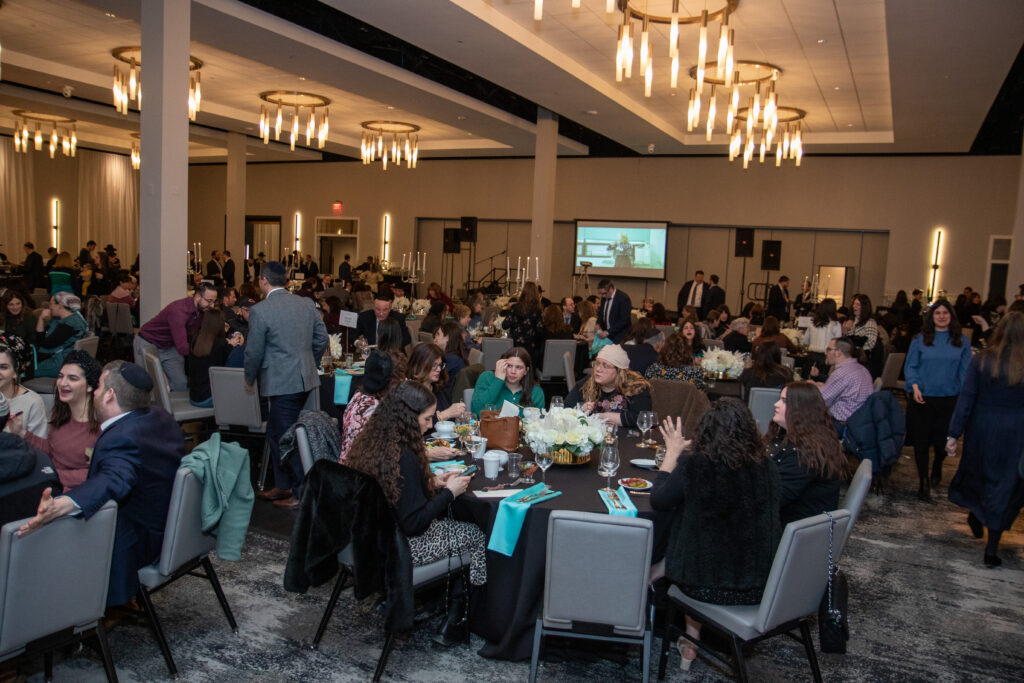
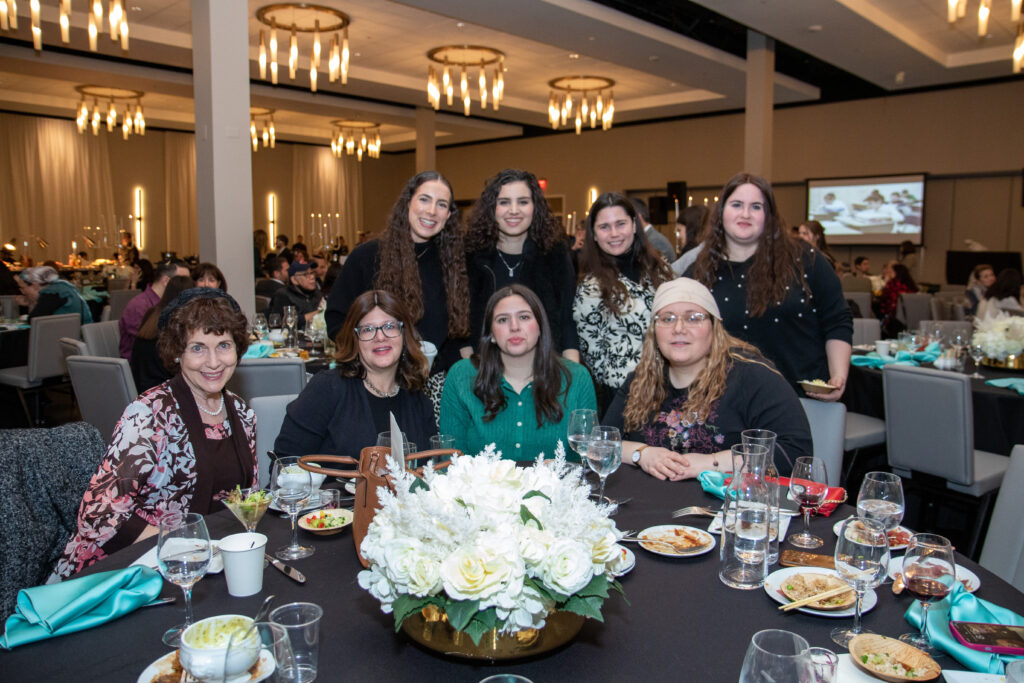
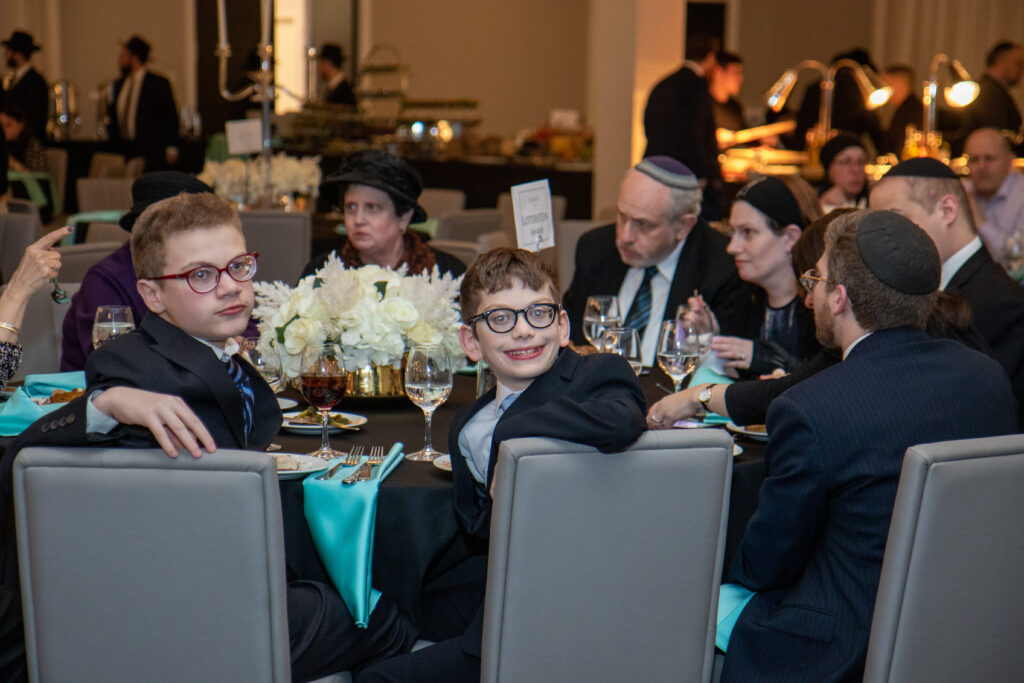
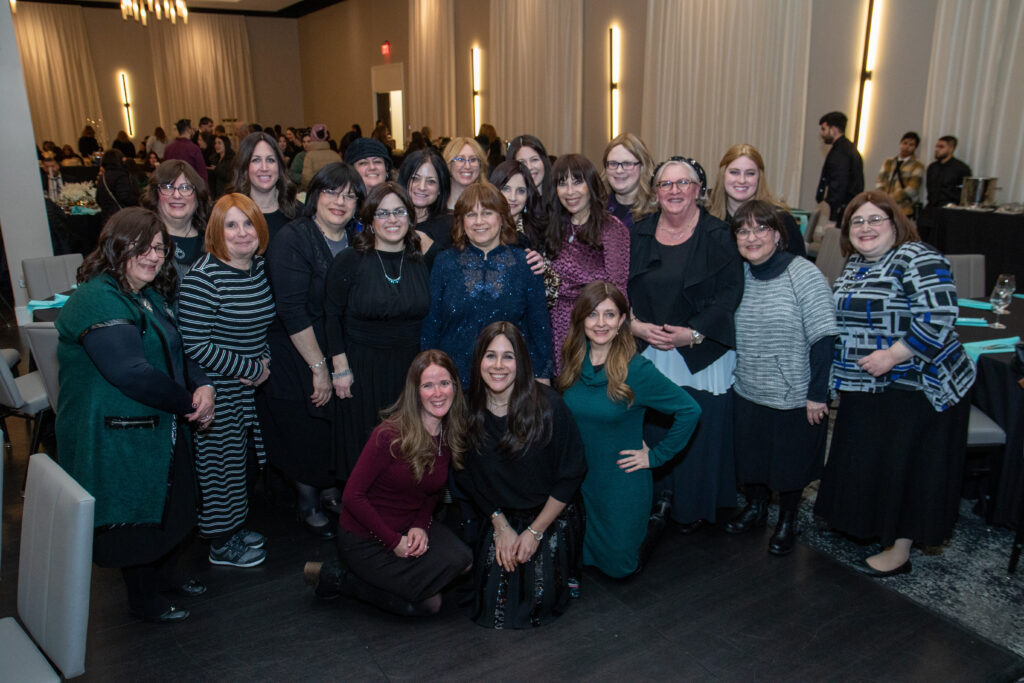
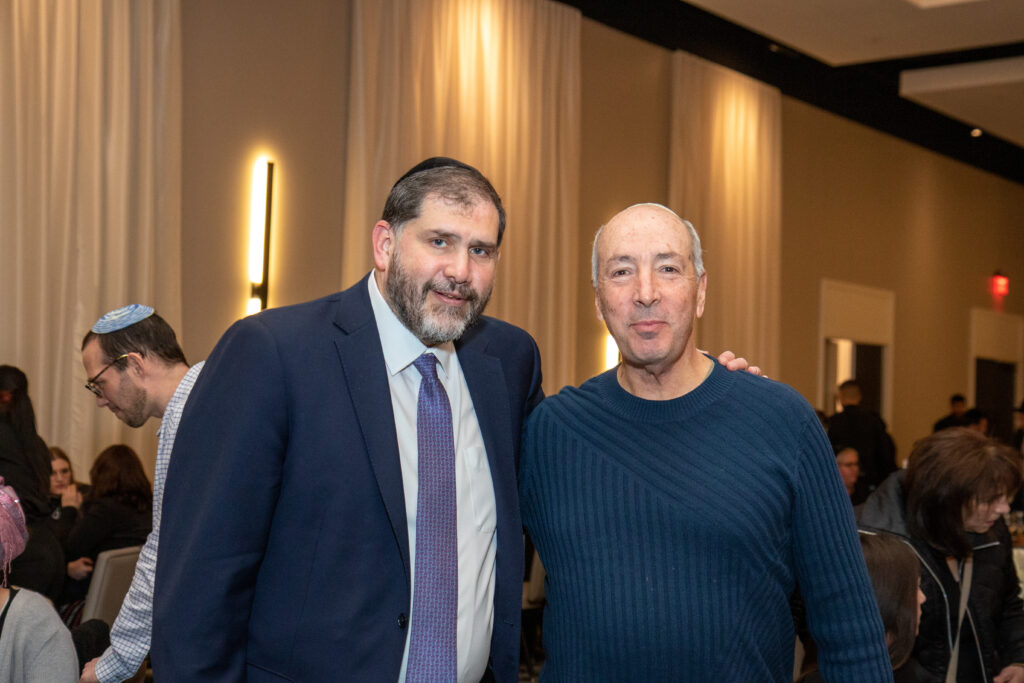
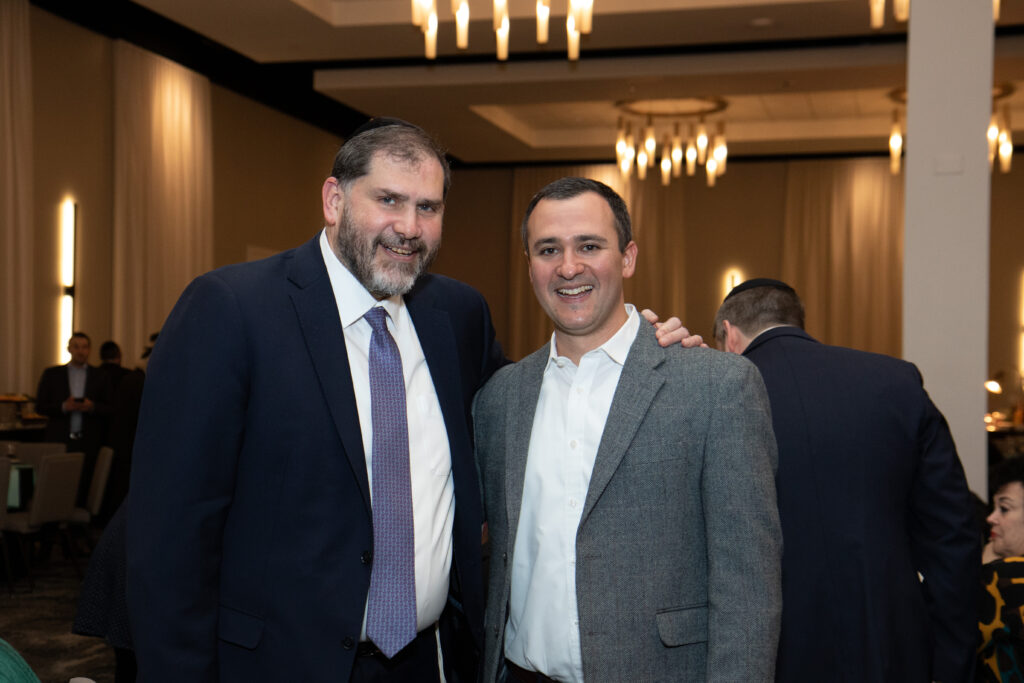
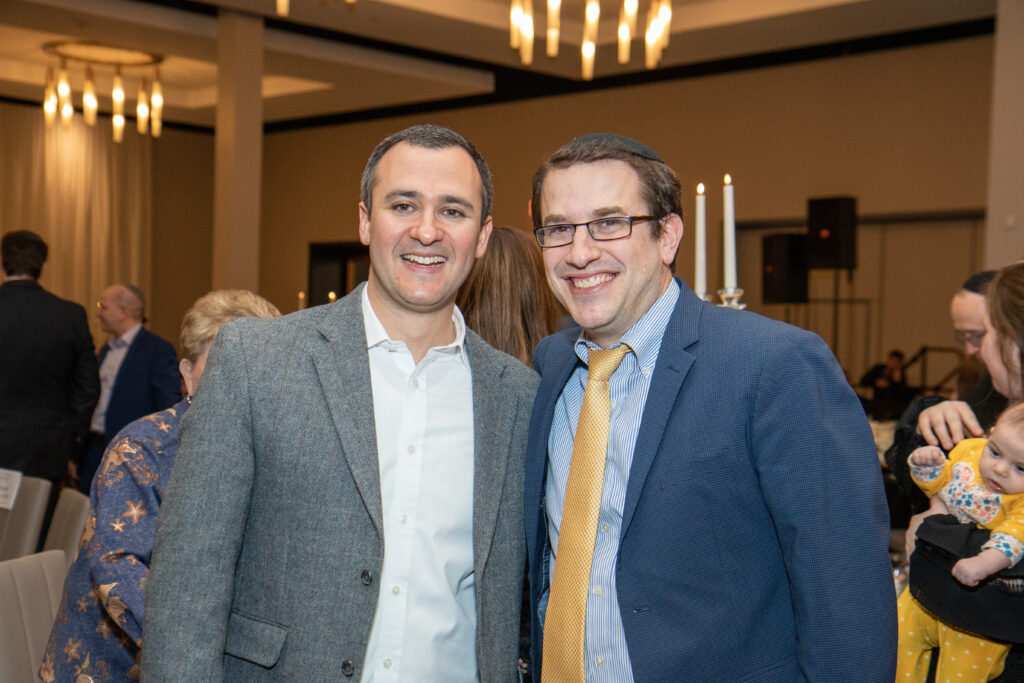
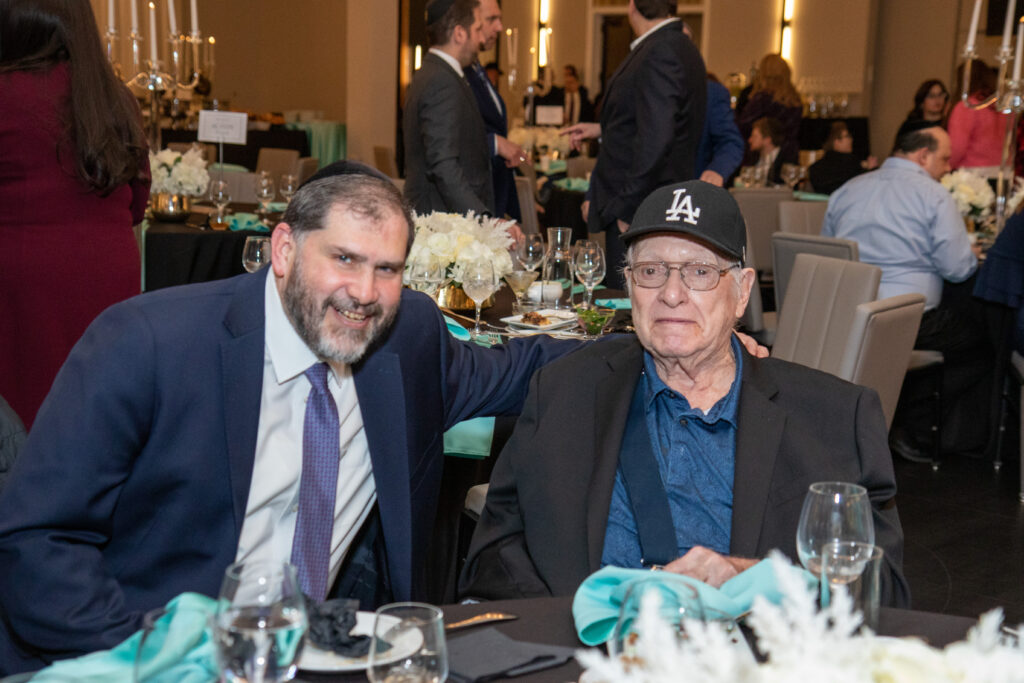
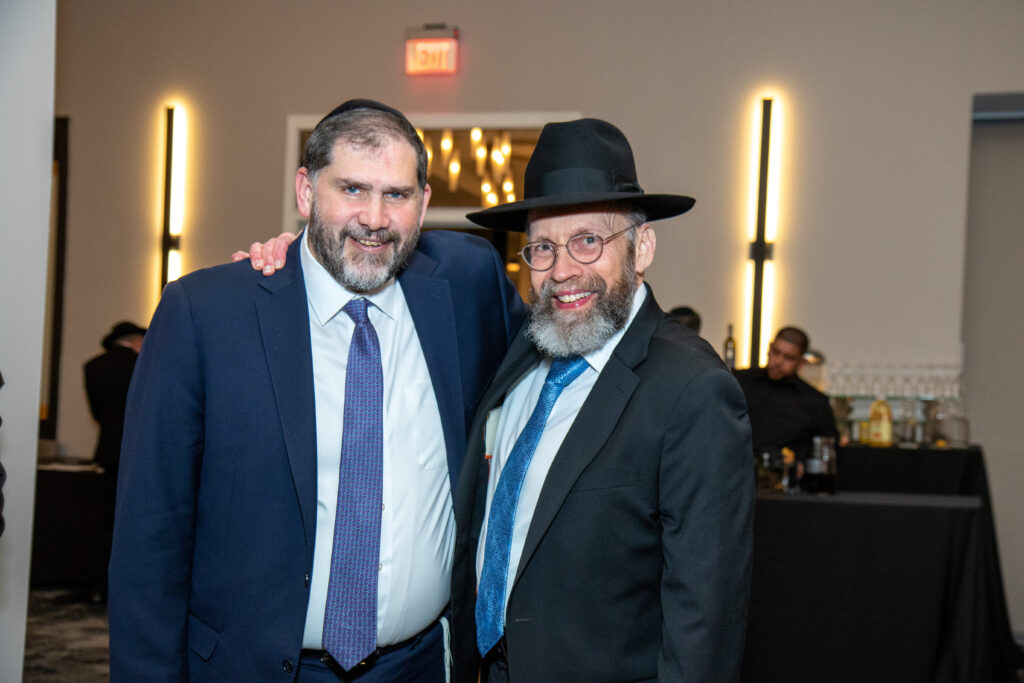
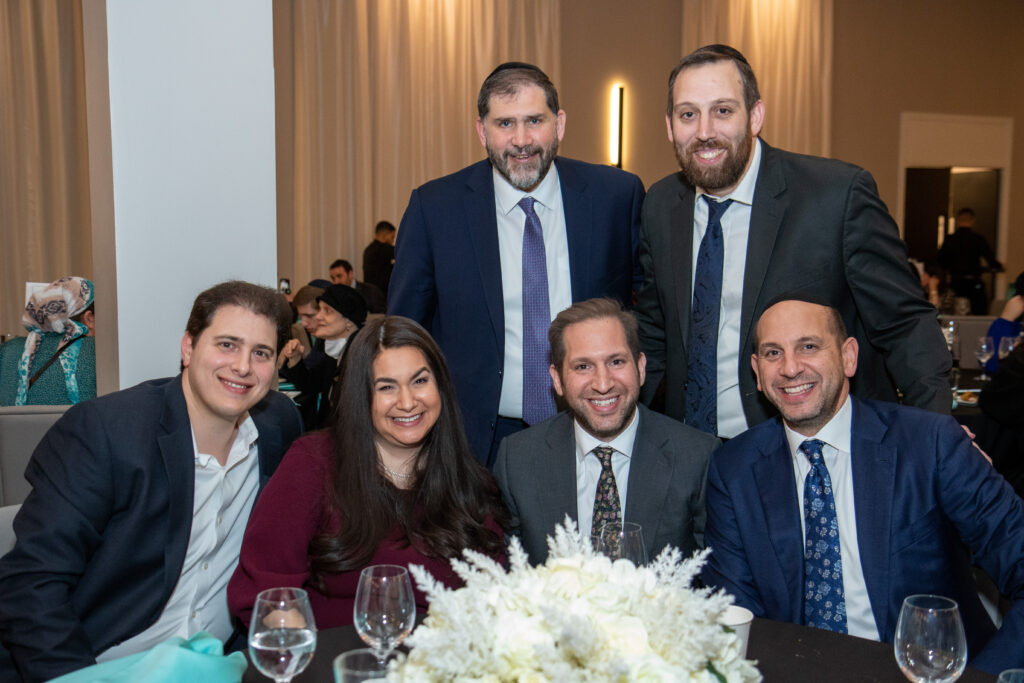
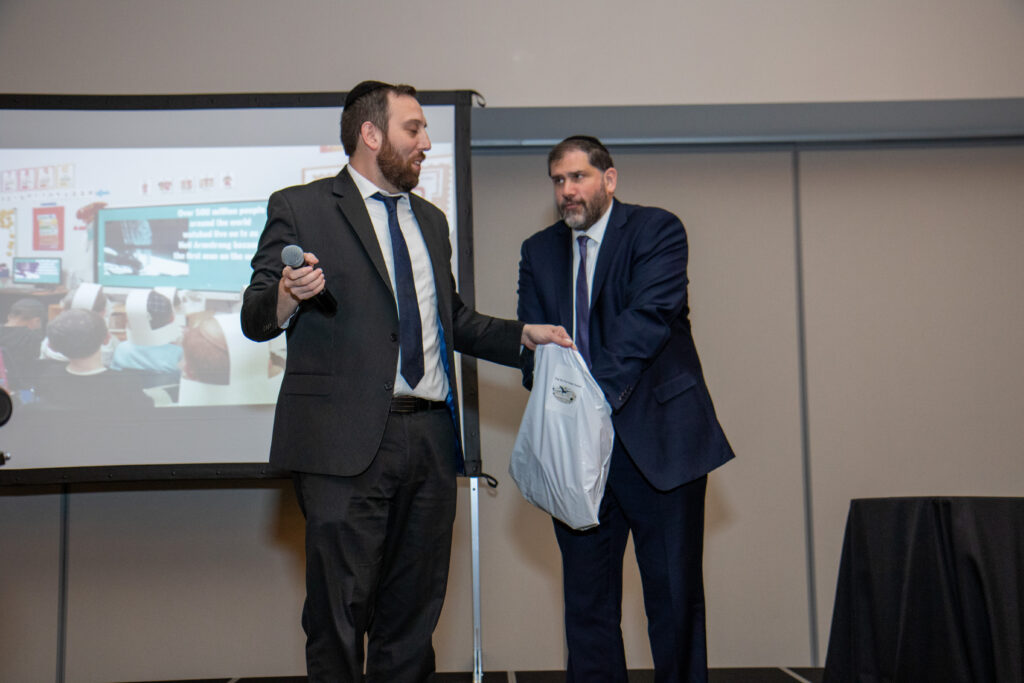
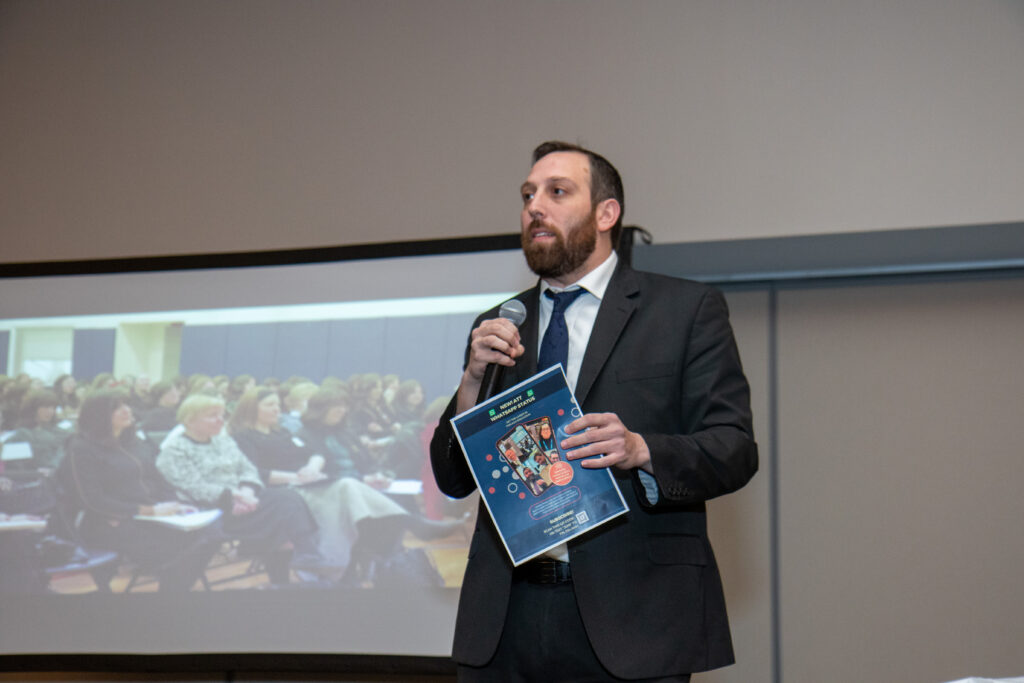
Nearly 500 educators, community members, friends and lay leaders gathered on Tuesday, February 21 to make this year’s ATT celebration of educators an inspiring evening celebrating Jewish education in Chicago.
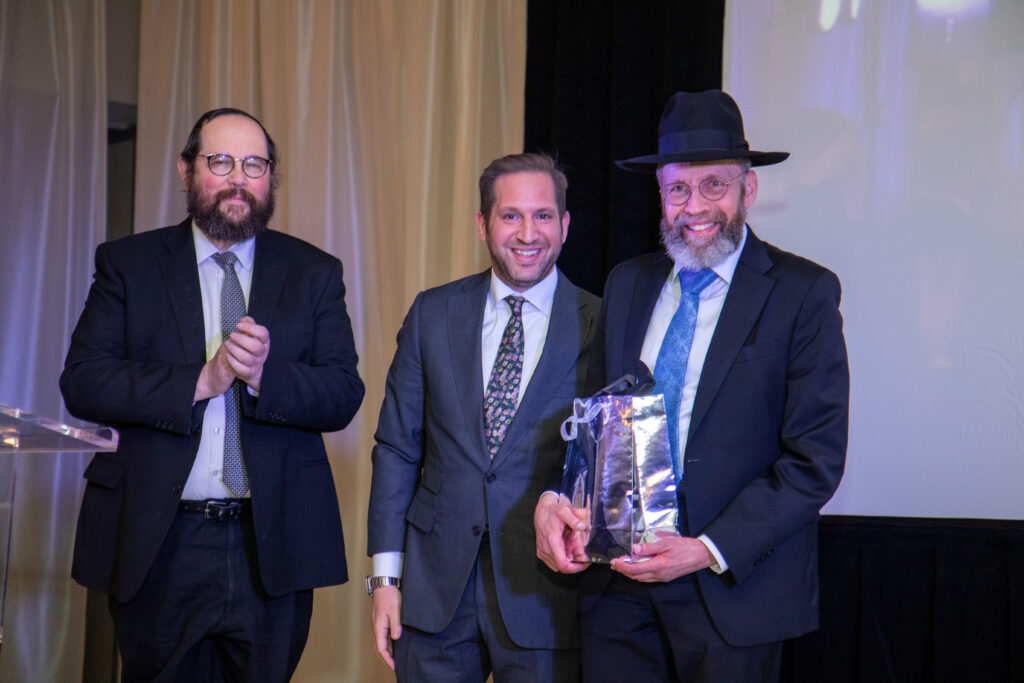
At the event held at the Ateres Ayala Simcha Hall, the Hartman Family Foundation Educator of the Year Awards were presented to the following outstanding educators:
Mrs. Malka Loterstein, (Arie Crown Hebrew Day School)
Rabbi Ephraim Kletenik (Yeshivas Tiferes Tzvi)
Mr. Chaim Safier (Hillel Torah North Suburban Day School)
The award and selection process are designed to highlight the outstanding and innovative efforts of our educators. The ATT and Hartman Family Foundation hope that through the awarding of this prize not only three of the most outstanding teachers in Chicago are recognized, but the award also further elevates and ennobles the entire profession in the eyes of our community.
Awards are selected by a committee of educational consultants and community members. Selection criteria for the Educator Award include exceptional instructional skills in a nurturing environment, commitment to one’s students’ success, superior communication skills with parents, students, and peers, commitment to continued professional development, and contributions to one’s school’s learning community.
Mrs. Loterstein’s award is sponsored in memory of Gayle Anne Herwitz. Watch a video featuring her contribution to day school education below.
Watch a video featuring Rabbi Kletenik’s and Mr. Chaim Safier‘s contribution to day school education below.
The evening concluded with an auction for Rebbeim, Moros, and Teachers only. The ATT looks forward to continuing to find ways of showing our hakoroshatov to all of the dedicated educators in our city.
The program also highlighted ways the ATT team are proud to support teachers, administrators and students.
The ATT has over a 90-year history of supporting Chicago Jewish day schools.
Thank you to the ATT staff and lay leadership who made this year’s annual dinner such a success.
In recent years, many ATT schools have scheduled midwinter break in January to provide teachers and students a well-deserved break during the long winter. Each school has important considerations regarding which week is scheduled. Unfortunately, this past January break presented challenges for families and teachers who have children in multiple schools.
At a recent ATT Principals Council meeting, the principals agreed to prioritize the communal need for a coordinated midwinter break, and therefore, resolved to implement a uniform calendar for 2024 in which midwinter vacation will be scheduled during the week after Martin Luther King Day is observed.
We acknowledge and applaud this decision and appreciate the effort made by our schools’ leadership to accommodate this communal need.
Please note that this will not change the school schedules in schools that do not have a January midwinter break.
On January 25, 25 administrators and staff from eight ATT schools gathered for a half-day “mini-summit” focused on abuse prevention and safety in our schools. ATT, JCFS and Upward Community have partnered creating a coalition of Chicago organizations that will continue to improve practices and education in our community about this important topic. The partners each bring resources and experience in this field including relationships with national organizations that have expertise which can be accessed by our schools.
The facilitator for this session was Shira Berkovitz, Esq., the CEO of Sacred Spaced, a national organization that has developed hiring resources, policies, and practices, called Aleinu. These are used in hundreds of Jewish institutions, schools, and shuls, and they are now available to our schools with ongoing support.
The participants had an opportunity to hear what a fully implemented system of abuse prevention looks like. They looked at some case studies and discussed several practical aspects of prevention and responses to incidents. The main point was to continue this renewed effort in all of our schools and to empower our schools through best practices and education so that they can enhance their current student and parent education and safety practices.
This effort is a continuation of ATT’s longstanding role in the “Safer Schools” initiative which is support by the Jewish Federation of Metropolitan Chicago. ATT and its partners will be reaching out to each school individually to follow-up on this event and to make sure that this area of school practice remains highly visible and updated.
In November, 200 attendees joined the ATT for their 36th Annual Rabbi Isaac Mayefsky Memorial Lecture featuring the captivating speaker, Rabbi Ephraim Eliyahu Shapiro. His presentation, Raising Committed Children in a Materialistic World, focused on strategies for effective parenting. His practical suggestions to help parents and teachers keep children focused on Torah values and stay firmly rooted and committed to Hashem, each other and themselves included:
1. Parents, day schools and Yeshivas need to make the home/place of learning a haven filled with Torah values where our children can connect to Hashem and grow and bond with each other.
2. He defined the word אלה as our reason for being, our goals, our exuberance, and pride in accomplishment. And then questioned, “What would our children say about our אלה, since our actions will influence them as they grow and mature into Torah committed Jews.
3. Steps to connect spiritually with one’s children.
Show undivided attention by shutting out all distractions when interacting with them.
Never underestimate the power of prayer. Daven to Hashem for help in this endeavor.
Speak in a way that the child understands.
See things from the child’s perspective.
Use recreational compatibility to bond with one’s child.
Show your child your warmth and emotion. Let them know how much you care – that you are always accessible – and that you mean it!
This lecture is part of the ATT’s expanded program designed to address the challenges of creative teaching and rewarding parenting. Over the years, it has become an excellent resource for parents and teachers of children of all ages. To listen to the presentation, click here.
Fifteen rabbeim from across ATT schools recently gathered together at Congregation Adas Yeshurun to learn Torah for the second annual ATT Summer Kollel. The program took place in the evenings for three weeks and in the day time as well for two weeks.
The kollel includes Torah learning as well as professional development to learn best practices in teaching Judaic studies.
For the Torah learning portion, participants were able to delve deep into topics like the laws of shemitah and cooking on yom tov. The program gives teachers an opportunity to review material and network with educators in schools across the Jewish day school system.
Rabbi Dovid Greenberg says interacting with colleagues enhanced the experience. “It was an opportunity to hear ideas from the presenter and interact with our colleagues.”
The teachers also learned about the concepts of Universal Design for Learning to create a learning environment where every student can succeed. Teachers gained specific tools for activating student knowledge and processing information after students have completed a lesson. They also looked at different ways to make use of chavrusa learning, supporting students at every age to collaborate with their peers.
One participant, who wishes to remain anonymous, says, “I have found the educational instruction of this program to be very beneficial. Although I’ve been a rebbi for many years, I am sure to gain from the professional insights and ideas that were presented. Thank you for bringing in Rabbi Binyomin Segal who gave a great demonstration on how to prepare class lessons…Also, although we’ve already been using the chavrusa system in our classrooms, Rabbi Gold’s showing us how to do it successfully was very insightful and helpful.”
Connecting with colleagues in different schools to learn Torah and to gain new teaching skills led to insightful conversations around classroom practice as well.
The program will continue in some capacity so that rebbeim can work more together on Gemara instruction throughout the coming school year.
The participants left the program with renewed motivation to enhance instruction.
This coming week on Tisha B’Av (the fast day remembering the destruction of the Temples) we read from the Kinnos. The Kinnos are a compilation of writings that reflect on the many tragic times in our history during our long exile. There is one kinnah that compares and contrasts the stark difference between when we left Mitzrayim (Egypt) and when we left Yerushalayim (Jerusalem). When leaving Mitzrayim, we were surrounded by a clear hand of G-d. However, when leaving Yerushalayim, we felt all alone. Throughout this kinnah many differences are pointed out between the two events, and at the end of each corresponding contrast the same line is repeated, “This is what happened when we left Mitzrayim; this is what happened when we left Yerushalayim.” A natural question arises: Why the constant comparison between these two experiences? It is clear that we understand the key difference – one was freedom and redemption while the other was exile.
The commentators tell us that the root of the word Mitzrayim is maytzar which means narrow, confined or restricted. On the other hand, the word Yerushalayim is composed of two parts yeru shalem which means to see the completeness in everything. These words deliver a simple message we tend to overlook in our daily lives. Often we are caught up in our narrow and restricted worlds. We get lost in our personal lives and daily challenges and lose sight of the complete picture, forgetting about the people around us, the rest of Klal Yisroel, our brothers and sisters wherever they are in the world. We must realize that we are one family. To transition from exile to redemption we need to leave Mitzrayim, the narrow place, and change our mindset to Yerushalayim, the completeness of all of us as a people.
During these challenging times in the world with anti-Semitism on the rise, we have rallied together in so many ways as a nation and a people. This message is spreading. We need to keep it going constantly. Whenever we are faced with a situation when a fellow Jew is in pain, we have to look beyond ourselves and reach out to help in whatever way we can. With that mindset and change of attitude, we will merit the rebuilding of the Temple. May it be speedily in our days.
Thanks to the generosity of the Chicago Jewish community, as well as supporters outside of Chicago, the REACH team raised an unprecedented amount of money in only 30 hours on a Charidy campaign. Over 325 donors, matched by several generous REACH donors raised nearly $480K for REACH. We at REACH, as well as at the ATT staff are humbled and grateful for the generosity of the community that we serve.
REACH is Chicago’s coordinated effort to build Jewish day schools’ capacity to support students with a wide range of needs in an inclusive way. Our vision is to ensure that all Jewish students can attend the Jewish day school of their choice.
Executive Director Julie Gordon, MA says, “REACH has had unprecedented growth, and these funds will enable us to sustain the high quality services we provide.”
These services include the following:
Direct services to students
Partnering to develop best practice systems, strategies and protocols for the needs of each specific school
Professional development, training and coaching
Community collaboration
Thank you to the families who laid the foundation for the REACH program to grow and have such an impact on our day school community:
Oscar A. & Bernice Novick
Crain Maling foundation
The Walder foundation
Rabbi Morris Esformes
Gayle (z”l) and Eric Rothner
Robert and Debra Hartman
Robinson Family Foundation
The parent body that spearheaded the growth of REACH led by the Broner and Sheinfeld families.
One of the most exciting parts of running this online campaign was hearing the stories that came in from our teachers, parents and partner schools.
Following are a few of the stories we heard during our fundraiser. These are only some of the stories of how REACH help students succeed in school every single year.
“Thanks to REACH, my daughter’s learned better study skills in order to prepare her for tests and improved her reading comprehension. Her teacher has been extremely flexible and easy going.”
^JDBY parent
“I have so much gratitude for this Collaborative Problem Solving (CPS) training. It has really enhanced my ability to connect and communicate.
With parents, I use the CPS reflective listening skills and empathy tools, and I cannot begin to tell you what a breakthrough that has been. Parents have walked away from challenging conversations feeling that we have a united and collaborative effort, thanks to CPS.
I’ve also brought it into the classroom when there’s a challenge, and the kids were responsive and collaborative. I truly appreciate what I have gained as an educator, parent and spouse!”
^JDBY Assistant Principal Rena Levovitz
“One eighth grade student this year went from reading 12 correct syllables per minute in Hebrew to 44 syllables correctly. The student has a significant specific learning disability in reading.”
^Ellah Orevi-Greenberg, M.Ed., LBSI
“REACH has helped my daughter overcome a difficult learning disability in reading. In the beginning of COVID, we noticed our daughter was reading a lot more and asking us to take books out of the library that she was reading in only one session. It’s only because of REACH that she has the ability to read and only because of REACH that the passion for her reading was unlocked as well.”
^Rabbi Reuven Gottesman
“Giving every single child the chance not just to be in the school of their choice but to succeed in the school of their choice is invaluable. I can personally say for my wife and me that our daughter wouldn’t be able to be in a Jewish school if it wasn’t for REACH’s services at JDBY,” says Rabbi Uri Zimmerman, a REACH parent and the ATT director of development.
Thanks to the generosity of hundreds of donors, REACH has the ability to continue doing the important work of ensuring that every Jewish child has the opportunity and tools they need to succeed in the day school of their choice. When one child in our community is empowered, our whole community is lifted up.
REACH is an affiliate of the ATT and a partner with JUF in serving our community. Learn more about REACH here.
When it comes to parenting, children don’t come with a manual. Most parents learn from experience, copy repeat generational behaviors and seek advice from friends and family. That can be enough, but at times when kids display challenging behaviors, having some advice from experts is helpful.
REACH teachers are trained in the Collaborative Problem Solving® (CPS) approach, which is proven to reduce challenging behavior, teach kids skills they lack, and build relationships with adults in their lives. Seeing this approach work so well in the classroom has led REACH teachers to offer parenting training in this method as well.
In a three-part CPS series, Tamar Shames and Bryna Towb from REACH, certified by Think:Kids in the CPS approach recently introduced the parenting approach to parents in ATT schools on Zoom. Classes were spread out over three weeks so that participants could test out the approach and come back together to troubleshoot or reiterate.
The Collaborative Problem Solving approach
Collaborative Problem Solvingis an evidence-based approach developed by Think:Kids, a program in the Department of Psychiatry at the Massachusetts General Hospital in Boston, MA, that is proven to reduce challenging behavior. The goal of CPS is to teach kids the skills they lack and build relationships with the adults in their lives.
Those following conventional parenting wisdom typically assume that kids do well if they want to. When kids act out, it’s because they haven’t been trained well enough to behave. CPS instead says that kids do well if they can. They act out because they don’t have the skills to handle difficult situations. The difference in assumptions means focusing on skill building instead of punishing for problematic behavior.
The assumption behind CPS is “Behind most challenging behavior: a problem to be solved and some skills to be trained.”
At the heart of the Collaborative Problem Solving approach are three steps:
Show empathy
Share concern
Collaborate
These three steps take time to master for both you and your child. And a cycle may need to rock back and forth depending on the reaction of your child. For example, you may show empathy and then move onto sharing a concern only to have your child become dysregulated again. When this happens, you return to showing empathy before moving onto collaboration.
Step 1: Showing empathy by listening to your child
A parent or teacher using CPS at the time of a problematic behavior starts by showing empathy to the child. Bryna offers the following concrete ways to show empathy:
Listen fully
Avoid drawing conclusions
Don’t parrot – use your own words
Stay non-judgmental
Contain your emotions
If sharing their concern makes your child upset, you can try using reassuring language to calm them down. Phrases like the following are helpful:
“I’m not saying no”
“I’m not saying you have to”
“I’m just trying to understand”
“I know there must be an important reason why”
”You’re doing great”
“Take your time”
Once your child feels heard is a more opportune to share a concern. Together, you and your child can collaborate to find a solution. It’s a process that sometimes takes several rounds to resolve, but repeating the cycle can de escalate and resolve problematic behavior.
Bryna explains how this works in practice:
Start with empathy by reflectively listening to understand your child’s concern or perspective. To do this, actively listen to why and how your child is feeling or struggling. It helps to reflectively listen, by repeating back to your child what you hear. Use a phrase like, “What I hear you saying is…”
You can move onto the stage of sharing your concern once you can answer the following questions:
Do you have a clear, specific understanding of the child’s concern or perspective?
Do you feel like you’re at a point where you could suggest a solution?
Is your child calm and accessible now?
If you answer yes to these questions, you’ve likely done a good job at empathizing and reflectively listening. If, on the other hand, it took a lot for your child to express their concern or perspective, you might want to save the rest of the conversation for later. “It is totally okay to stop the conversation there and say, you have given me awesome information. Thank you. I’m going to remember this and tomorrow at the same time, let’s continue the conversation,” says Tamar. “Don’t feel like you have to force the whole conversation.”
Part 2: Ensure the adult’s perspective is on the table
The next step is to share your concern. At this point, there’s a chance that your child might get dysregulated again when they hear what’s bothering you. This is why it’s so important to start from a good place. It’s then that you can move on with the conversation.
A good way to start this stage of CPS is by asking your child, “May I share what’s important to me?”
Once your child agrees, follow up with a response like, “My concern is that…”
Tamar recommends keeping your concern short and specific because you don’t want to lose your child’s attention. You can do this by relating your concern to a meaningful theme, such as health, safety, learning or impacting others.
It’s important to drill down to your actual concern so that you can articulate it in a way your child can hear. “I recommend thinking in advance how you’re going to say what your concern is,” says Tamar.
This process of CPS gets easier over time, a process called dosing. The idea is to expose children to small doses of stress so that they become better at handling it.
By sharing your concern as a parent to your child after first expressing empathy, you’re asking your child then to hear your perspective as well.
It’s possible at this stage your child can become dysregulated, especially when CPS is new to your child. If that happens, go back to expressing empathy before doubling down on your concern.
It’s okay if your child doesn’t share your concern. The point is to have both perspectives heard and on the table.
Part 3: Collaborate: Brainstorm, assess and choose a solution to try
Collaborating with your child to come up with a solution that addresses both concerns is part three of Collaborative Problem Solving.
The conversation sounds something like this: “I wonder if there’s a way that we can address your concern ______ and my concern of ______ so that both of those concerns are addressed.“
This way you are making sure to state both concerns again to demonstrate to the child that both concerns are on the table.
Next, you ask your child first if they have any ideas. It’s okay if the child can’t think of one, but giving them a chance to offer a solution is part of building problem solving skills. “It’s important to wait for what might seem like an eternity but give it however long you or your child can handle it to see if they have any solutions,” says Tamar.
The goal is to brainstorm. When your child comes up with an idea, try to respond with a neutral statement, such as “That’s an idea.”
You can offer ideas as well and then once you come up with a solution that works for both of you, let your child know that you both can test it out for a while.
Doing this lets your child know that you can revisit the issue and adjust the solution. “This sends a message to the child that we’re not going to fail because we’re going to keep working at this. This is what problem solving really is all about,” says Tamar.
When practiced, Collaborative Problem Solving helps you and your child reach a mutually satisfactory and realistic solution, as well as a follow up plan. If that fails to work you start over and revisit the problem.
For more resources on collaborative problem solving, check out thinkkids.org
The Associated Talmud Torahs of Chicago invites the community to its Eveningwith theStars. Join the ATT as it presents student awards at itsAwards Presentation and Annual Meeting, on Tuesday evening, May 24, 2022, at the Ida Crown Jewish Academy, 8233 Central Park Avenue, Skokie. The program will begin at 7:15 pm. For more information, call the ATT: 773-973-2828.